Myth
Enamel grows back if you take care of it.
Not how it works
Enamel does not regenerate like skin. That is exactly why everyday care focuses on protecting the surface you have.
Structure & Surface
Teeth are layered structures. Once you can picture enamel, dentin, pulp, and roots, everyday care starts to make more sense.
Inside the Tooth
Each tooth is built from distinct layers that each do a different job. Together they handle the pressure of everyday chewing.
The visible white surface is only the outermost part. Beneath it sits a softer layer, and at the center a living core with nerves and blood vessels. Below the gumline, roots hold the tooth in place.
Read the everyday care guide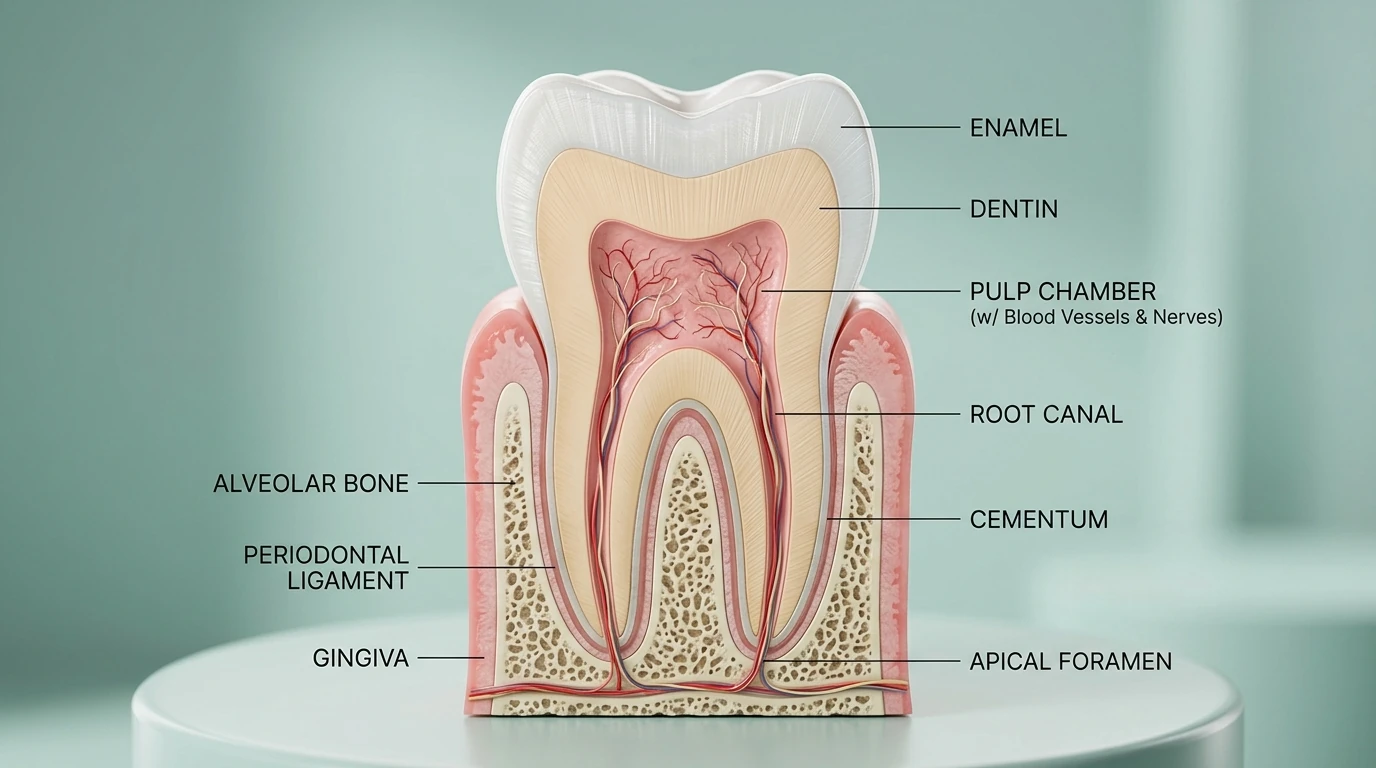
Inside View
The hard, mineral-rich surface. It is the hardest tissue in the human body.
A softer layer under enamel, threaded with microscopic channels.
The living center that holds nerves and blood vessels.
The part below the gumline that anchors the tooth in the jaw.
Teeth & Enamel
Enamel is the shield you see when you smile. It is remarkably hard, yet it is not indestructible. Because enamel does not contain living cells in the way other tissues do, everyday care focuses on protecting the surface you already have.
None of this means a single soda or a busy day undoes your routine. It means the pattern of everyday habits, repeated over months and years, is what tends to add up.
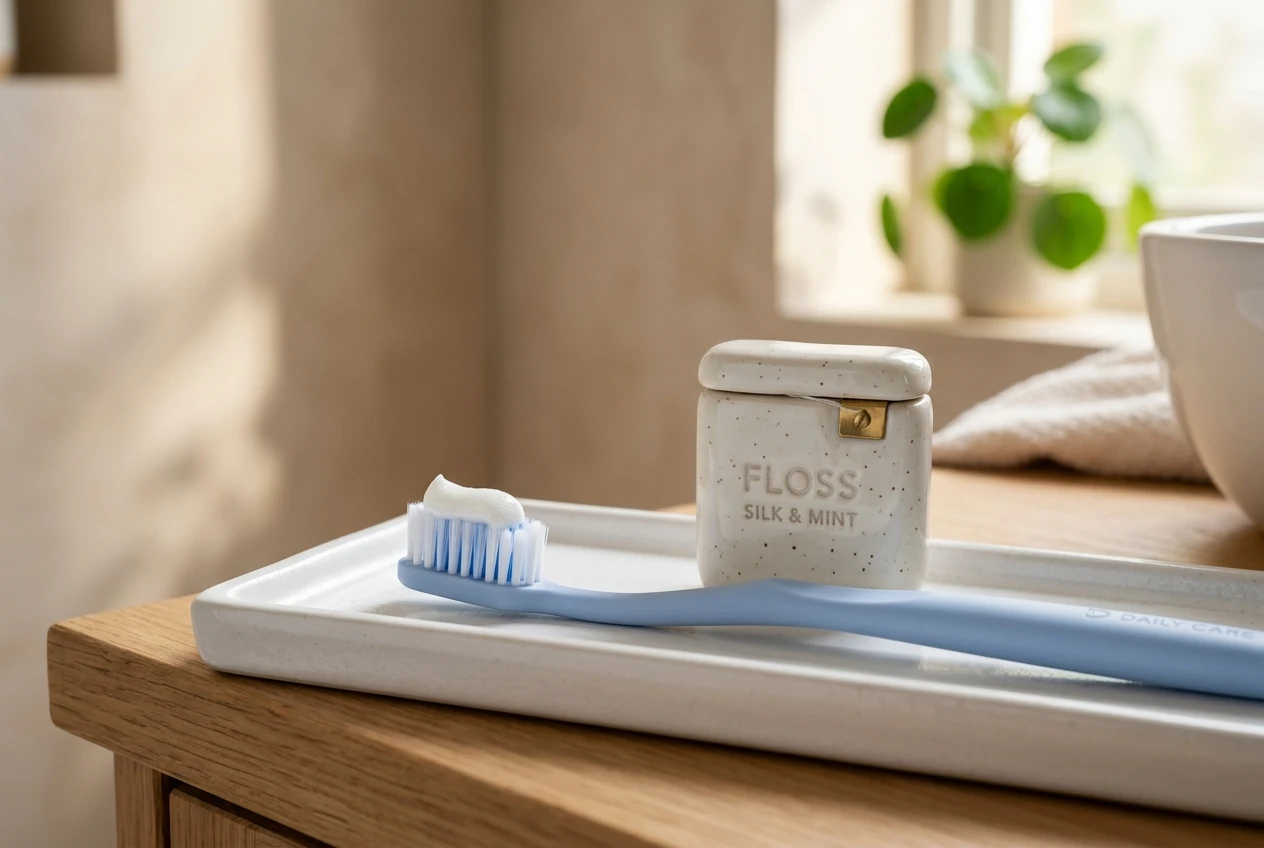
A gentler habit: after an acidic drink, rinsing with water and waiting a little before brushing can be part of a daily oral-care routine. Individual needs vary.
Everyday Triggers
General education about factors that may influence enamel and comfort. These are not personal recommendations.
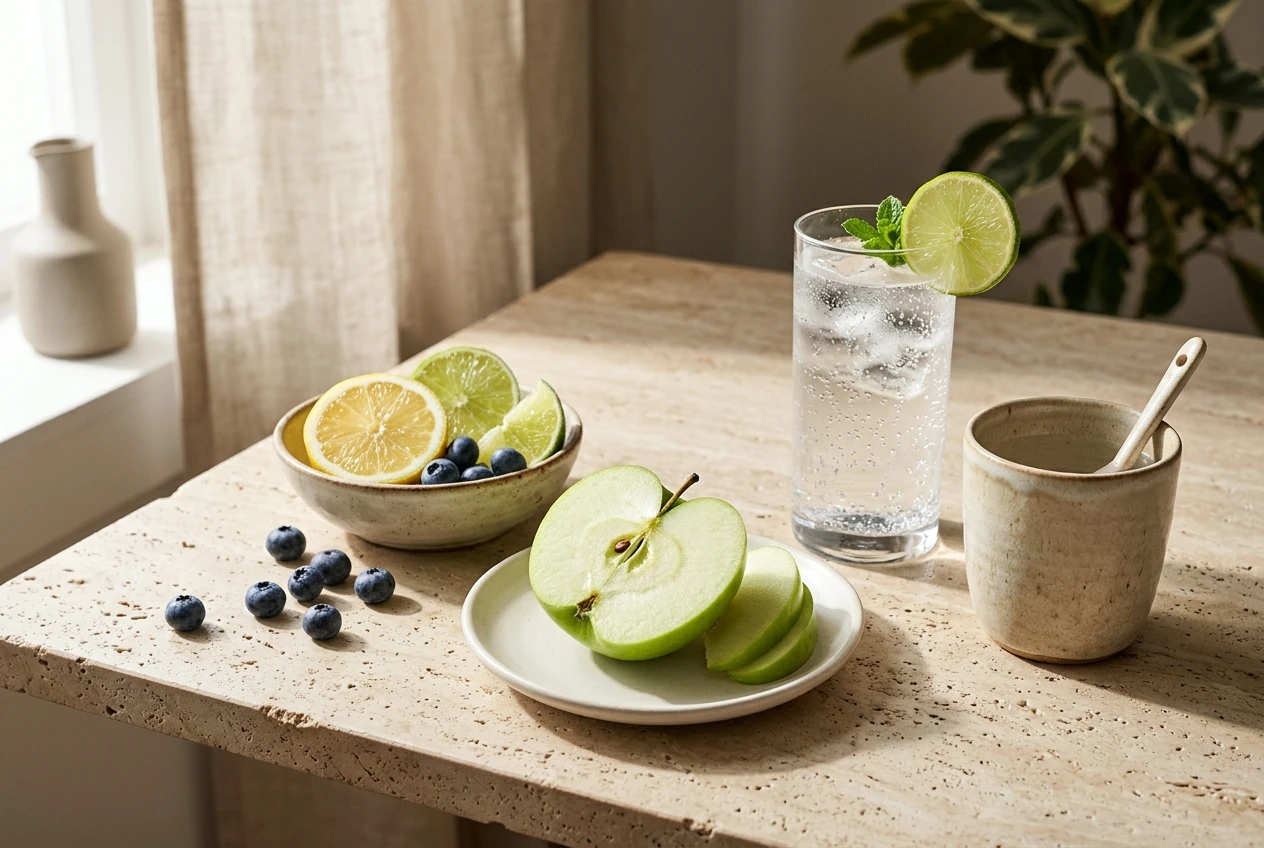
Citrus juices, sodas, and some sparkling waters are acidic.
Grazing keeps the mouth in a more acidic state longer.
Very firm brushing may contribute to surface and gumline wear.
Key Takeaways
Myth or Fact?
Not how it works
Enamel does not regenerate like skin. That is exactly why everyday care focuses on protecting the surface you have.
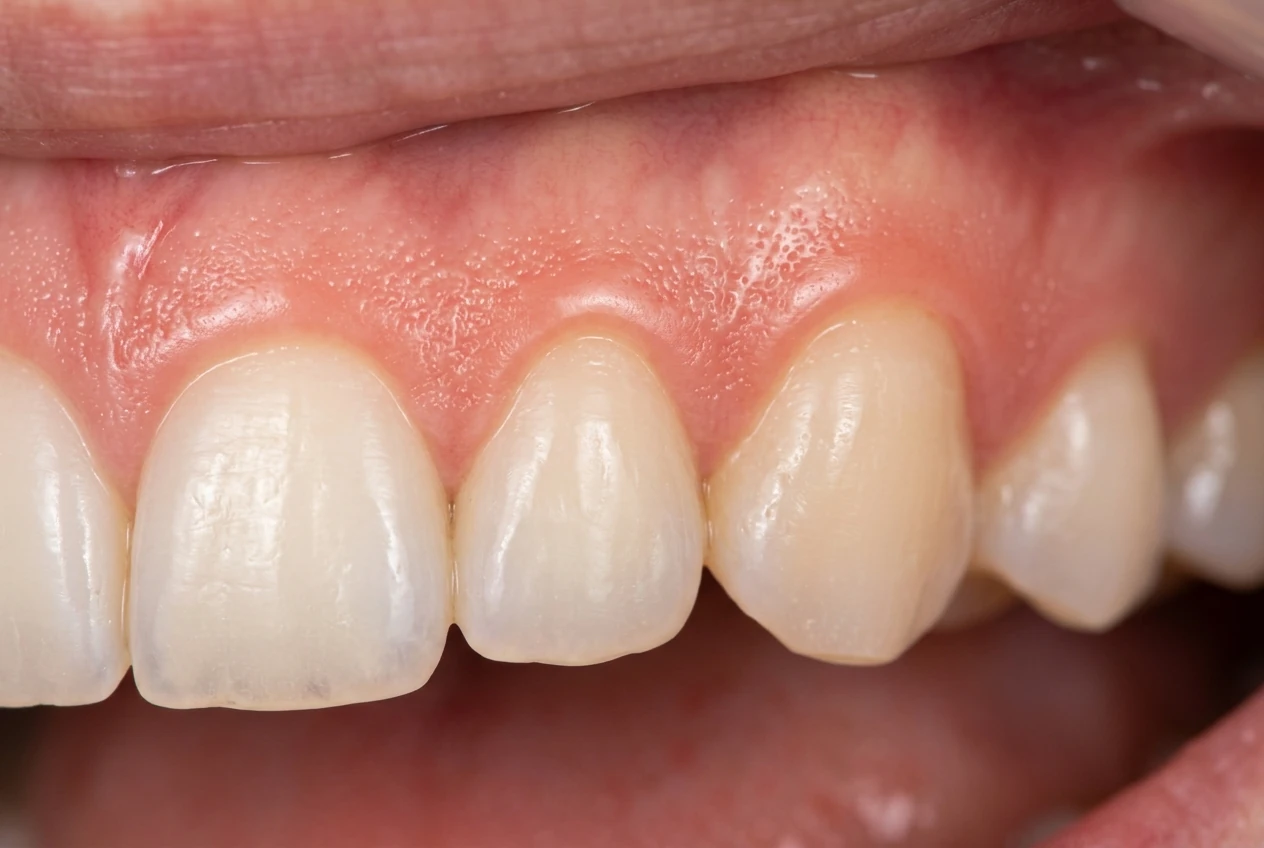
Color is only part of it
Natural tooth color varies from person to person. Shade alone does not describe what is happening beneath the surface.
Related Reading
Dental Disclaimer: This page offers general dental education and does not provide diagnosis or personal treatment advice. Individual needs vary. Discuss ongoing symptoms with a qualified dentist.