Brushing routine
Gentle, thorough brushing, usually twice a day, with attention to the gumline.
Care Check
Brushing, flossing, rinses, sensitivity, saliva, and breath. Short, practical notes you can bring into an ordinary day.
Care Check
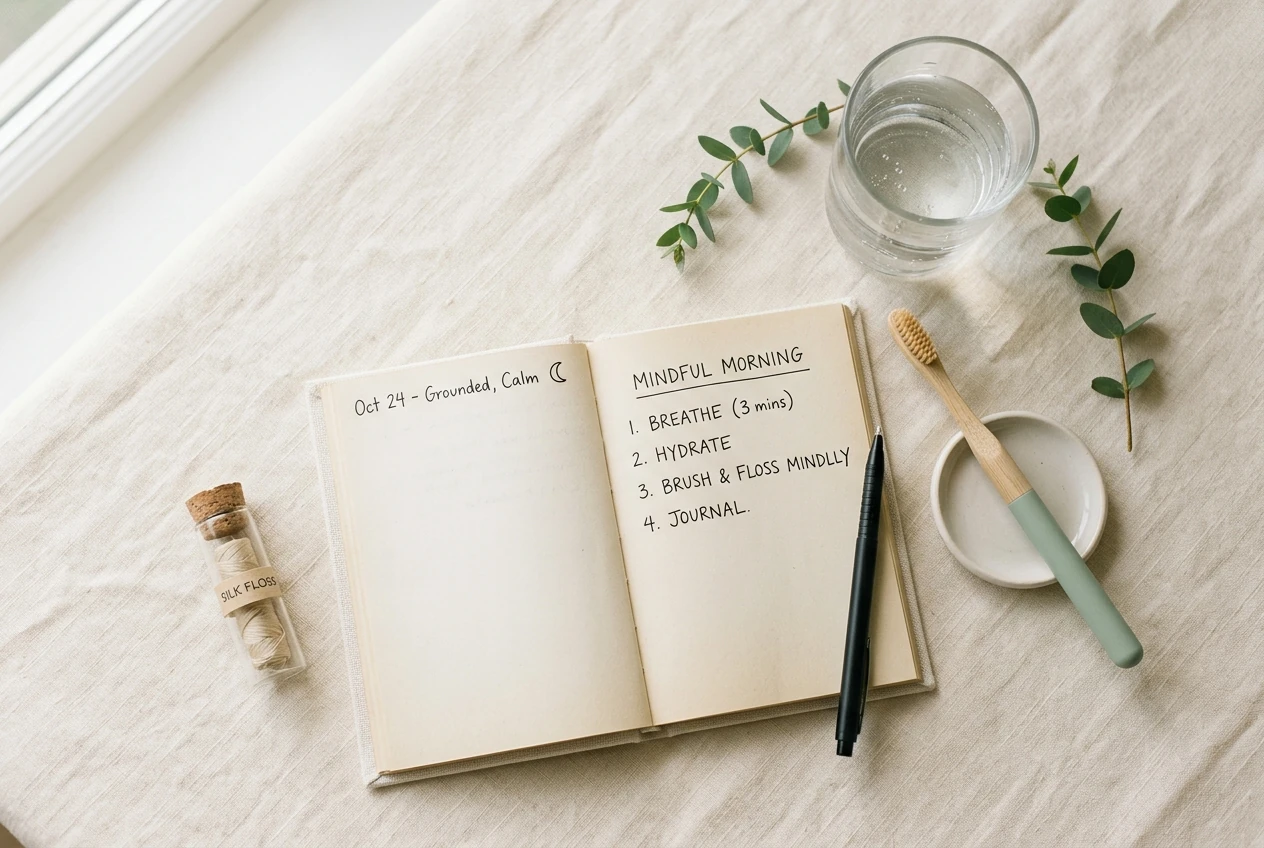
These habits can be part of a daily oral-care routine. Consistency tends to matter more than intensity.
Gentle, thorough brushing, usually twice a day, with attention to the gumline.
Cleaning between teeth reaches surfaces a brush may miss.
Swapping a worn brush head keeps bristles working as intended.
Floss, picks, or interdental brushes, whichever you will actually use.
A rinse can be an addition to a routine for some people.
Note questions ahead of time so nothing gets forgotten.
Sensitivity & Comfort
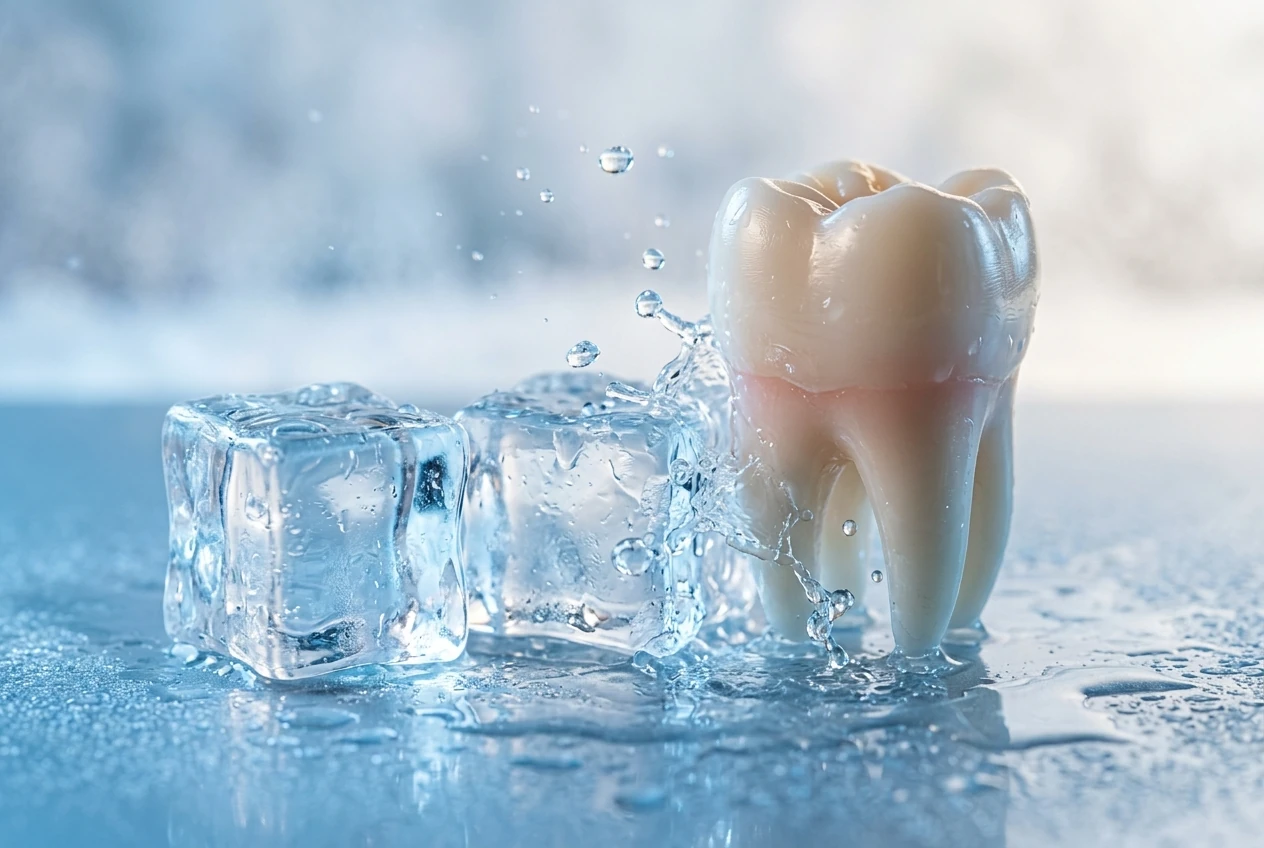
Sensitivity often shows up as a short, sharp response to something hot, cold, sweet, or acidic. For many people it comes and goes with everyday factors.
Gentler routines and a soft-bristled brush can be part of everyday mouth comfort. Sensitivity that is new, ongoing, or focused on one tooth is worth discussing with a dentist rather than self-treating.
Saliva & Dry Mouth
Saliva does quiet, constant work. It keeps the mouth moist, helps you taste and swallow, and supports a more comfortable everyday balance.
A dry-feeling mouth can be linked with habits such as low water intake, breathing through the mouth, or certain routines. Sipping water and staying hydrated can be part of a daily routine. Persistent dryness is something a dentist can help you look into.
Everyday note: a drier mouth may also change how breath develops during the day.
Everyday Breath
Breath naturally shifts during a normal day. Mornings, meals, hydration, and certain foods can all play a part, and none of that is unusual.
Consistent daily care, cleaning between teeth, and staying hydrated can support everyday freshness. Ongoing changes that do not settle with routine care can be mentioned at a dental visit.

Ask at Your Next Visit
Preparing a few questions can make a routine visit more useful. These are prompts for a conversation, not a script for self-diagnosis.
Read the everyday care guideChecklist
Related Reading

Dental Disclaimer: This page offers general dental education and does not provide diagnosis or personal treatment advice. Individual needs vary. Discuss ongoing symptoms with a qualified dentist.